Mauritius Minister of Labor praises expatriate living conditions at CIEL Textile's FSM | Ciel Textile Website
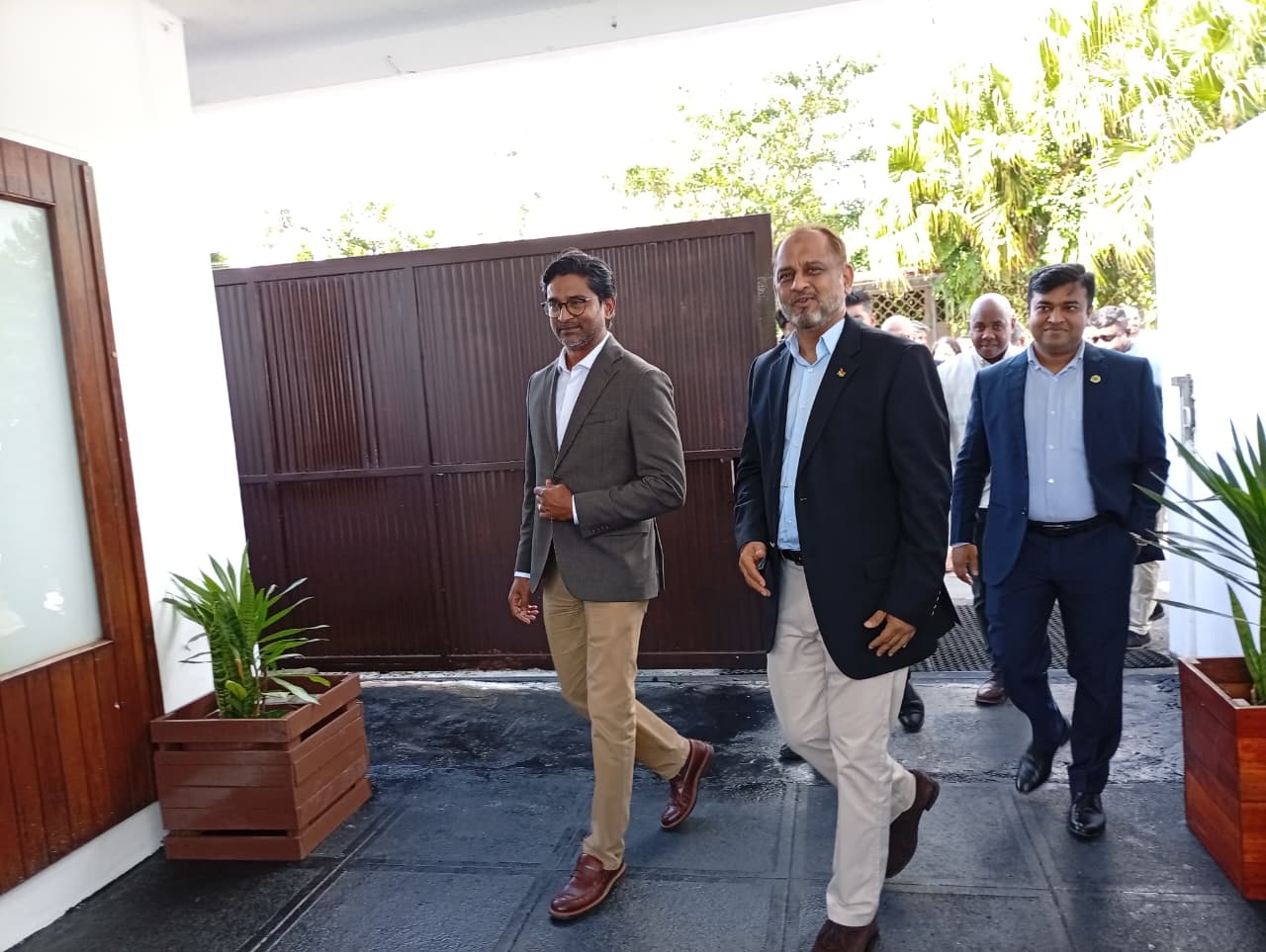
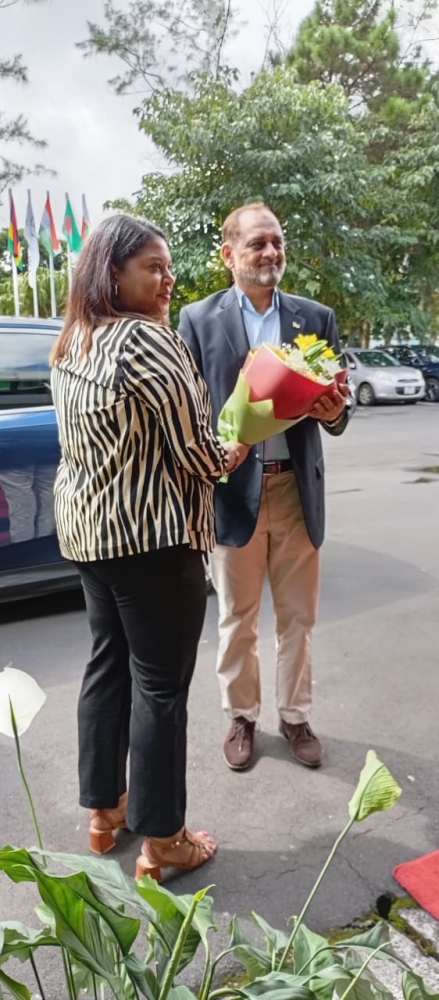
What does dignified work really look like on the ground? On Labour Day, that question was answered first‑hand during the visit of the Honorable Minister of Labor, Industrial Relations and Employment of Mauritius, H.E. Muhammad Reza Cassam Uteem, to FSM, one of CIEL Textile’s key manufacturing sites.
The visit focused on one priority: the well‑being of expatriate workers, from working conditions to accommodation standards, and most importantly, open dialogue.
A walkthrough of history, people and processes
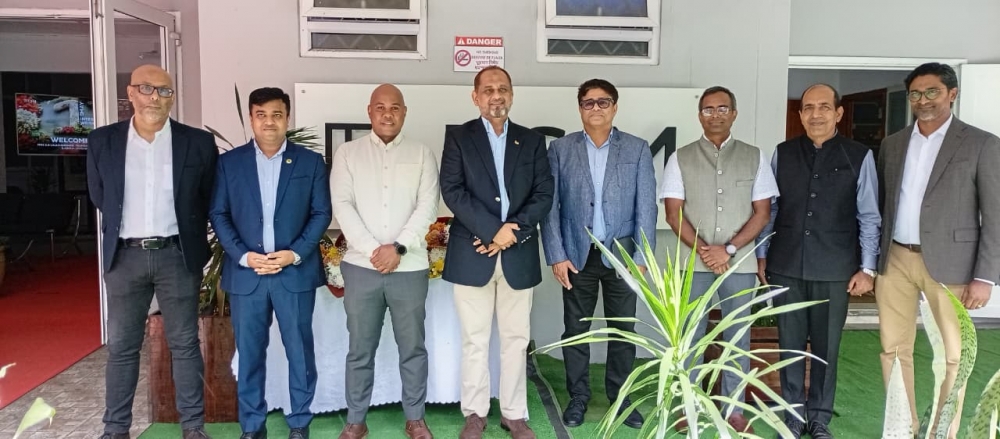
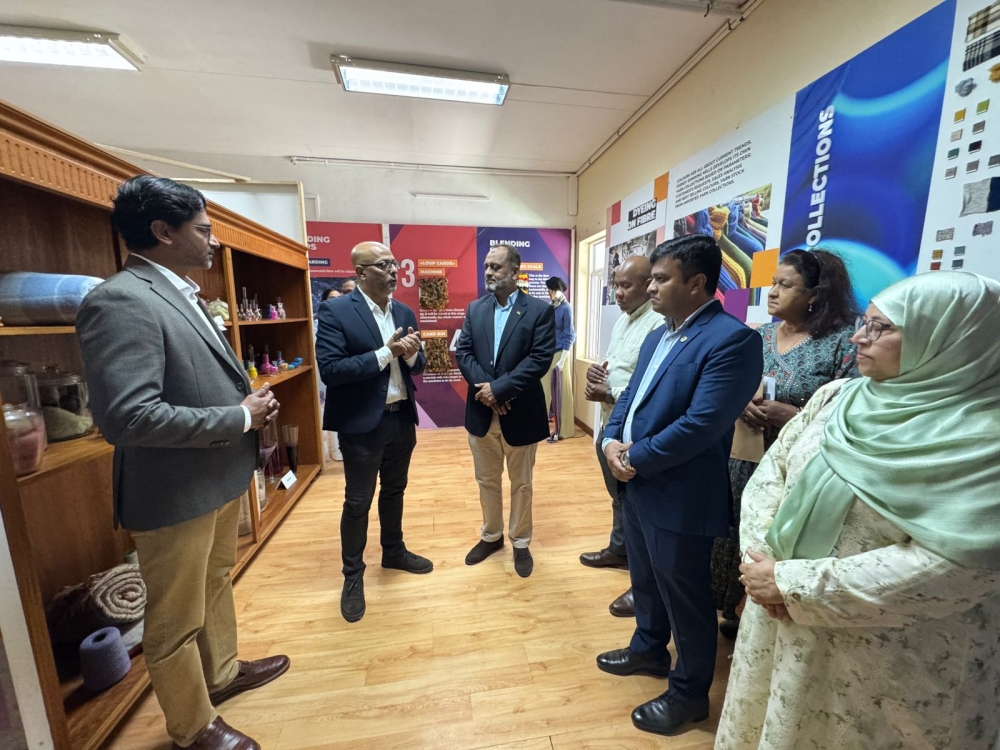
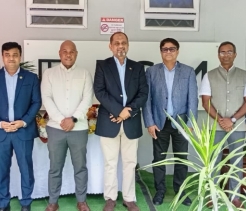
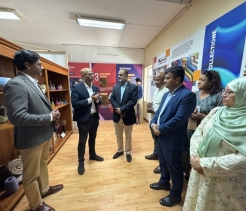
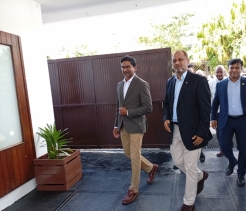
Welcomed by senior leadership from FSM and the Floreal Group, the Minister began the visit with a tour of the FSM Museum, where an overview was shared on the company’s history, product range, sourcing of raw materials and key markets. This was followed by a live exchange on technical aspects of production and raw materials, setting the tone for a visit built on transparency and engagement.
Inside the expatriate dormitory at FSM in Mauritius
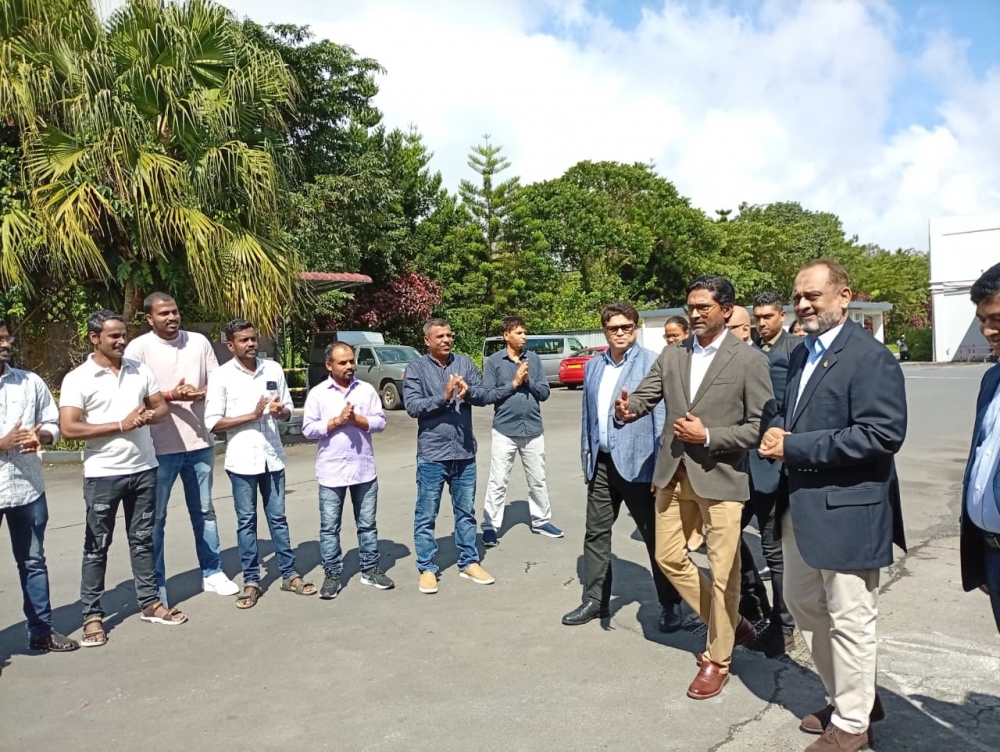
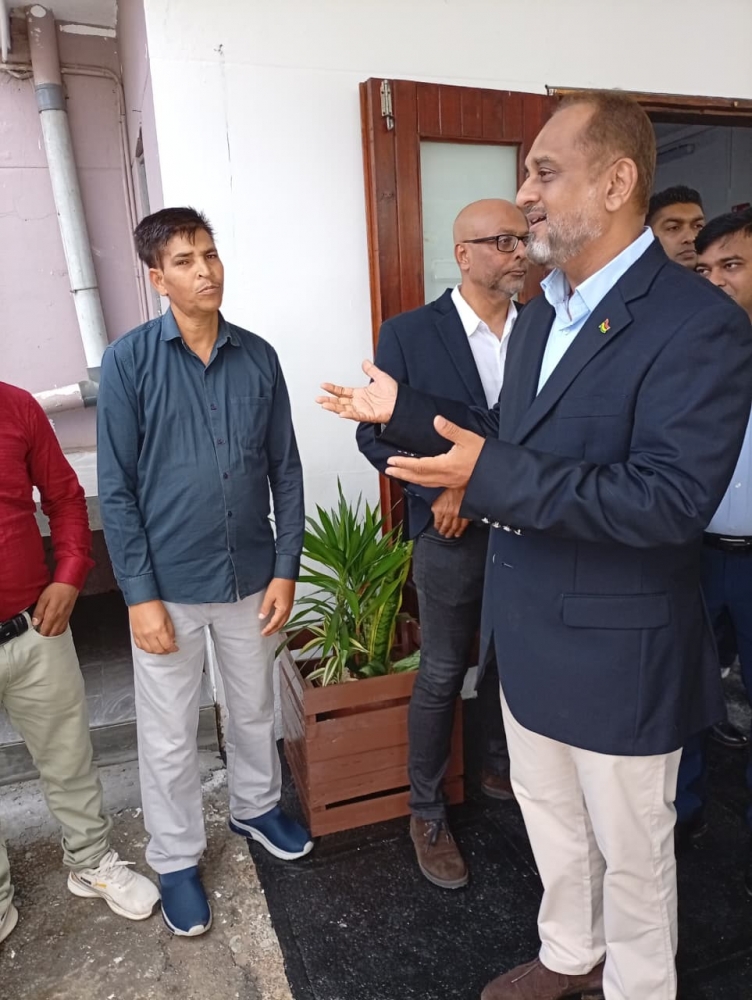
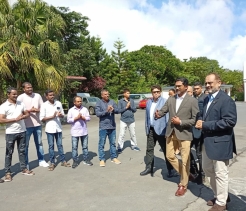
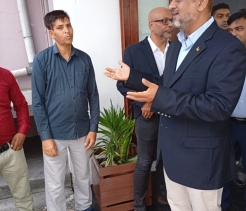
The delegation then moved to the expatriate dormitory, where workers warmly welcomed the Minister and accompanying dignitaries.
Beyond a standard inspection, the visit became a conversation. The Minister took time to review room occupancy, cleanliness and essential amenities, before visiting the dining and kitchen areas. It was explained that expatriates receive a food allowance and have access to cooking facilities, with designated cooks per nationality.
Most importantly, the Minister spoke directly with workers, asking how they feel, how they live, and how they experience work at FSM. Workers confirmed that they are satisfied with both their living and working conditions, while diplomatic representatives engaged with their nationals in their native languages, reinforcing trust and openness.
“Workers must be treated with dignity and fairness”
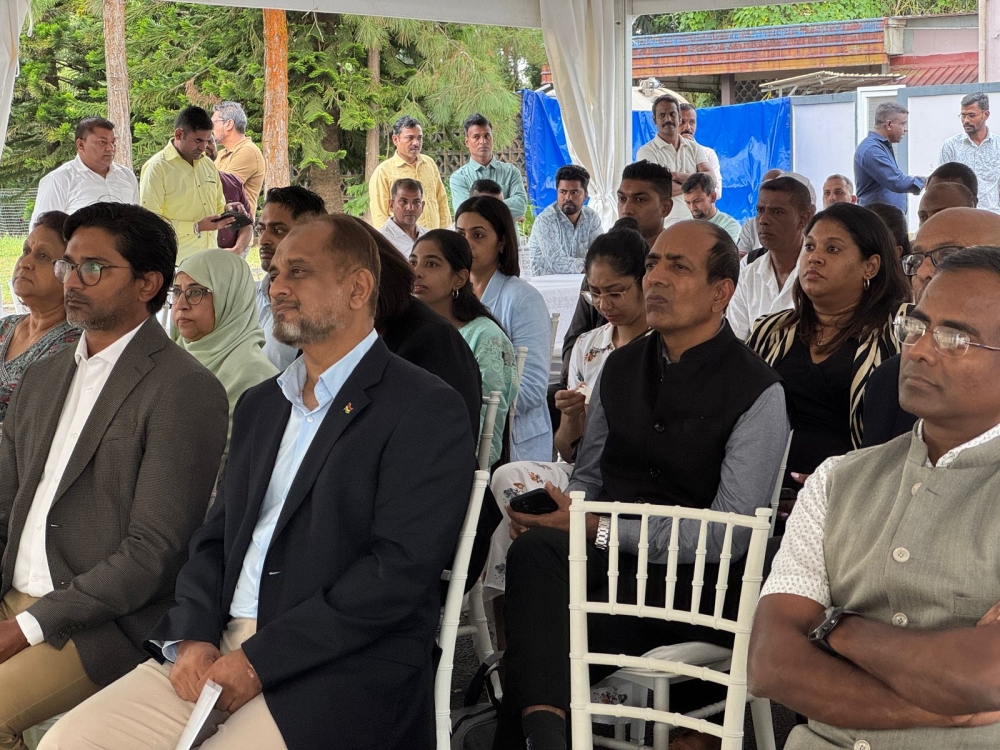
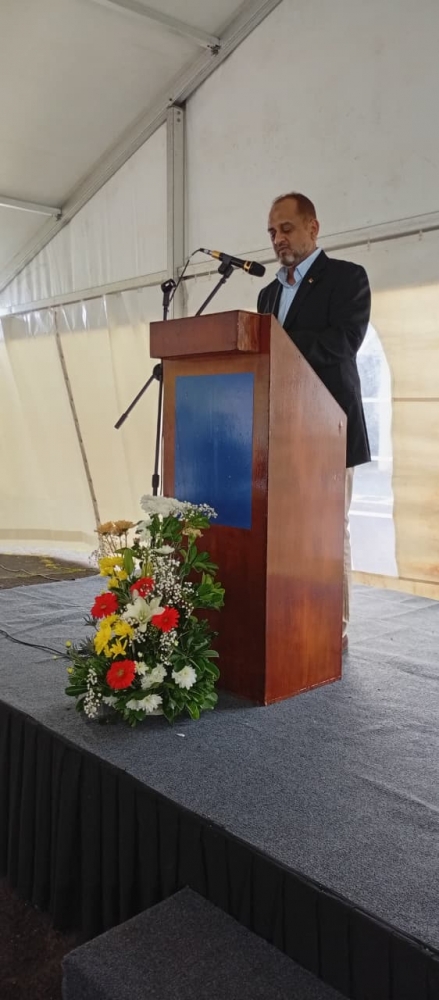
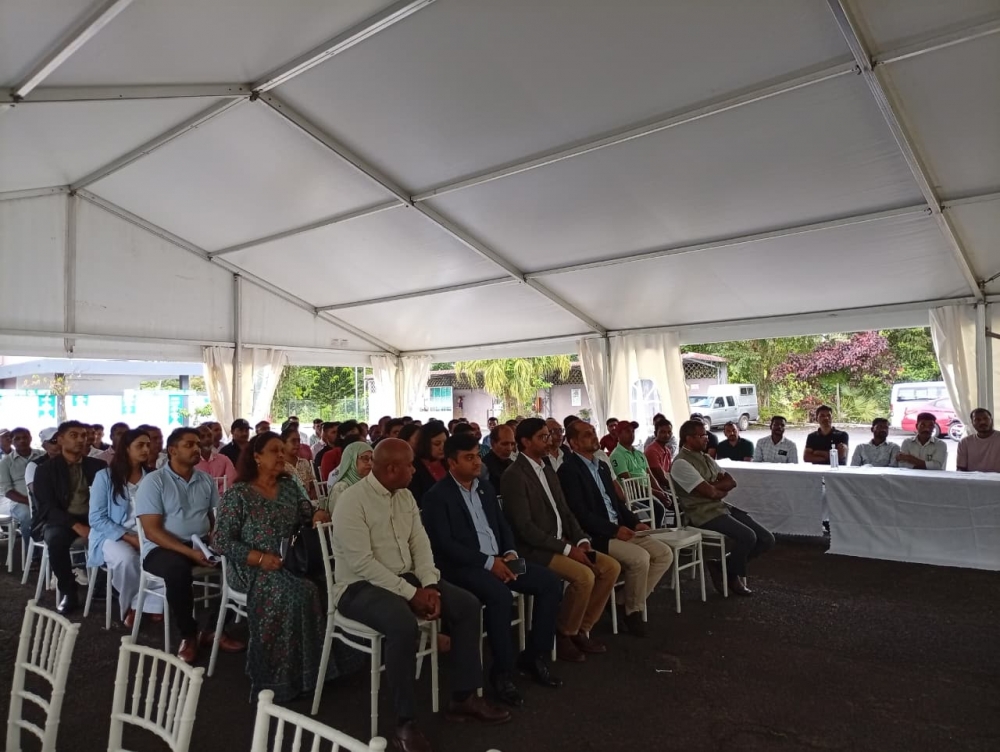
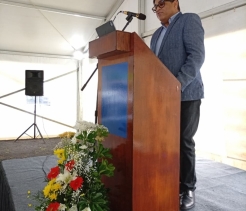
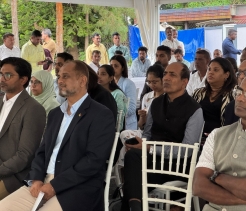
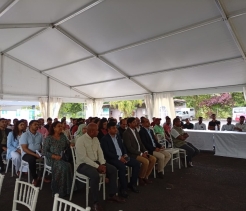
Addressing guests and employees, H.E. Muhammad Reza Cassam Uteem underlined the essential role expatriate workers play in Mauritius’ economy.
“Expatriate workers make a significant contribution to our country through their dedication, including work on weekends, public holidays and overtime. They must be treated with dignity and offered the same salary conditions as Mauritian workers,” the Minister stated.
He also reiterated the government’s commitment to strict monitoring of accommodation standards before work permits are issued, and its zero‑tolerance stance on illegal recruitment practices, while acknowledging the personal sacrifices made by expatriates who work far from their families.
A people‑centric and sustainable vision for textile manufacturing
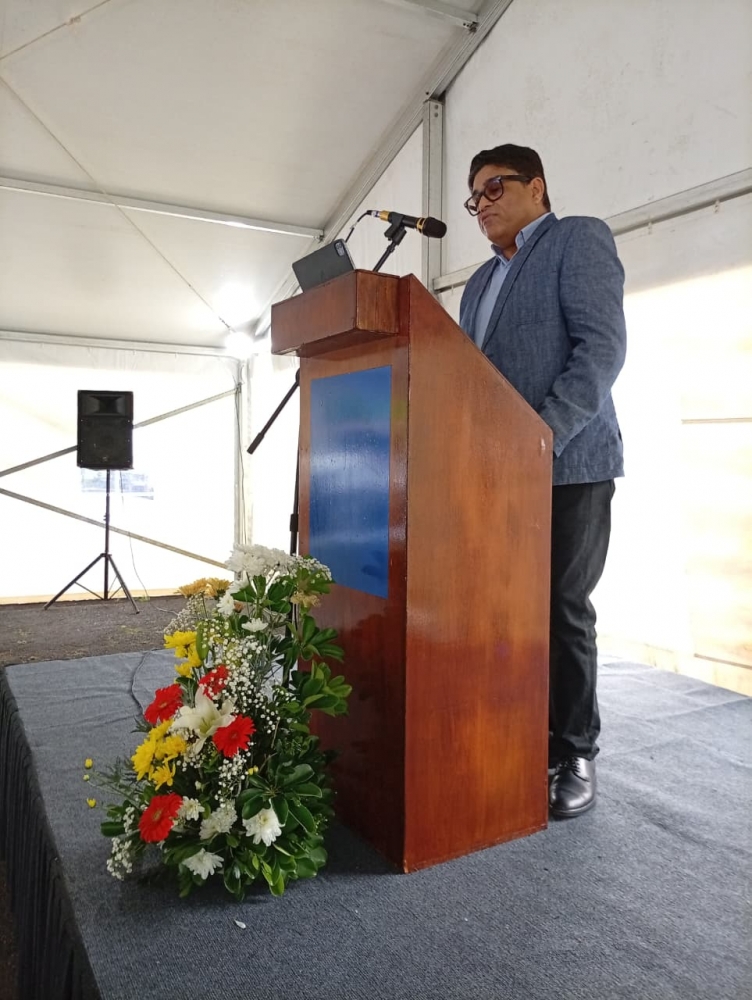
Earlier in the program, Mr. Ashwini Vij, CEO of the Knitwear cluster of CIEL Textile, shared its long‑term vision: one that places people at the centre of performance.
“The contribution of our expatriate workforce is invaluable. At CIEL Textile, we are committed to providing safe, dignified living and working conditions, while continuously improving in collaboration with all stakeholders,” he said.
He also highlighted the Group’s strategic focus on automation, sustainability and talent development, including the announcement of a new dye house aligned with sustainability initiatives, reinforcing CIEL Textile’s commitment to future‑ready manufacturing.
Open dialogue that builds trust and transparency
The engagement continued over lunch, offering a more informal setting for dialogue between the Minister, dignitaries and workers. Even after the Minister’s departure, diplomatic representatives remained on site to further interact with their nationals, underscoring the value of openness and continuous engagement.
As the visit clearly demonstrated, ensuring worker well‑being is not about box‑ticking. It’s about listening, engaging and acting; a principle CIEL Textile continues to uphold across its operations.